
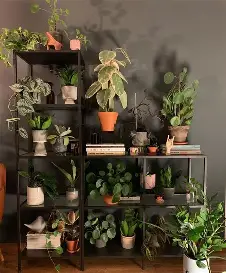
Welcome to my plant page! I love house plants; my mom had a lot of them. I don’t have that many.
And some died. I want to get a few more.
I just started this page and will be adding more plants that I have and
more information, so keep checking back.
~~~~~~~~~~~~~~~~~~~~~~~~~~~~~~~~~~~~~~~~~~~~~~~~~~
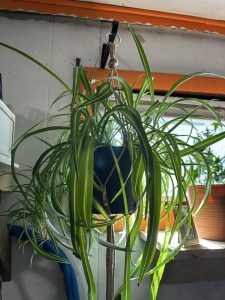
I got this spider plant when it was a baby; it was in one of those small plastic plant pots. After a few weeks, I saw it was getting a little tight in the pot. So I decided to transplant it, and I’m so happy I did it just started growing, and now it has two babies, and it’s doing so well.
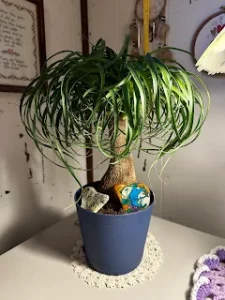 I did a product review on the Ponytail palms. I love this one, and you can get one at Perfect Plants Nursery.
Ponytail palms thrive with bright indirect light, well-draining soil, and infrequent watering, allowing the soil to dry out between waterings. They prefer warm temperatures and don’t require high humidity.
Ponytail palms thrive with bright, indirect sunlight, well-draining soil, and minimal watering. They need full sun or bright indirect light, and should be watered only when the top inch of soil is dry, with reduced watering in winter.
Here’s a more detailed breakdown of ponytail palm care:
- Light:
Ponytail palms are desert natives and thrive in bright, direct sunlight.
If grown indoors, place them in a sunny window, preferably south-facing, says Gardening Know How.
You can move them outdoors in warmer months for even more light.
- Water:
Ponytail palms store water in their thick stems, so they are drought-tolerant and do not need frequent watering.
Water only when the top inch of soil is dry; allow it to dry out completely between waterings.
During the growing season (spring and summer), waterpotted plants every 7–14 days.
Reduce watering significantly during winter, as the plant goes dormant.
- Soil:
- Use a well-draining soil mix, such as one designed for cacti and succulents.
- This prevents root rot, which is a common problem with overwatering.
- Temperature and Humidity:
- Ponytail palms prefer warm temperatures above 60 degrees Fahrenheit.
They can tolerate cooler temperatures during winter dormancy but avoid freezing temperatures.
They don’t need high humidity and do well in dry indoor air.
- Fertilization:
Fertilize the plant once or twice during the growing season (spring and summer) with a fertilizer for cacti and succulents.
Avoid over-fertilizing, as it can cause brown tips on the leaves.
- Pruning:
- Prune off any yellow or brown leaves to promote healthy growth.
You can also trim back the tips of the leaves to maintain their appearance.
- Repotting:
- Ponytail palms are slow-growing and may not need repotting for several years.
- Repot when the plant becomes pot-bound, or roots start to come out of the drainage holes.
- Common Problems:
Root rot:
Caused by overwatering, which can be avoided by using well-draining soil and watering sparingly.
Inspect the plant regularly for pests and treat them with appropriate pesticides or insecticidal soap.
Here’s a more detailed breakdown:
1. Observe the current depth:
When you remove the ponytail palm from its old pot, note how much of the bulbous base is exposed above the soil.
2. Replant at a similar depth:
When placing the root ball in the new pot, try to match its previous depth. Consider a slight elevation:
You can raise the root ball slightly (e.g., 1/2 inch) above the soil level in the new pot. This helps with drainage and prevents the bulb from sitting in wet soil, which can lead to rot.
4. Ensure good drainage:
Ponytail palms are succulents and prefer well-draining soil. Use a cactus or succulent potting mix, or amend regular potting mix with perlite or sand for better drainage.
5. Use a suitable pot:
Choose a pot that’s large enough to accommodate the growing bulbous base and allows for good drainage.
6. Fill in around the roots:
Once the plant is in the pot, gently fill the surrounding soil, pressing down firmly but not too hard.
By following these steps, you can ensure that your ponytail palm is replanted at the correct depth and in a suitable environment for healthy growth.
Thanksgiving Cactus
 Thanksgiving cacti thrive with bright, indirect light, moist but not soggy soil, and cooler temperatures in the fall to encourage blooming. They prefer a well-draining soil mix and should be fertilized during the growing season, with a reduced amount in the fall.
1. Christmas Cactus:
– Leaf Shape: Rounded edges with subtle scalloping.
– Bloom Time: Mid to late December, perfect for the holidays.
– Color Palette: Red, pink, peach, or white.
2. Thanksgiving Cactus:
– Leaf Shape: Sharp, pointed edges that resemble crab claws.
– Bloom Time: Late fall, around November.
– Color Palette: Pink, red, orange, and white blooms.
3. Easter Cactus:
– Leaf Shape: Smooth, rounded segments with slight bristles at the edges.
– Bloom Time: Early spring, usually March or April.
– Color Palette: Bright pink, purple, or red flowers.
 Thanksgiving cactus are sometimes mislabeled as “Christmas cactus” in stores. The best way to know which one you have is by looking at the edges of the leaves—pointed = Thanksgiving cactus, rounded = Christmas cactus.
Here’s a more detailed breakdown:
1. Light: Thanksgiving cacti need bright, indirect light, especially during the fall and winter. Avoid direct sunlight, as it can scorch the leaves.
Rotating the plant regularly ensures even growth and blooms on all sides.
2. Watering: Allow the top inch of soil to dry out between waterings. Water thoroughly when you do water, allowing excess water to drain out.
Reduce watering during the winter dormancy period.
3. Temperature: Thanksgiving cacti prefer cooler temperatures, around 60-70°F (15-21°C) during the day and 55-60°F (13-15°C) at night, especially in the fall.
This temperature difference helps initiate flower bud formation.
4. Humidity: These cacti appreciate higher humidity, especially during bloom.
You can increase humidity by placing the pot on a tray of pebbles filled with water or using a humidifier.
5. Soil: Use a well-draining potting mix, such as a blend of peat moss, perlite, and orchid bark. Avoid dense potting soil that can lead to root rot.
6. Fertilization: Fertilize with a balanced, diluted fertilizer every 2–4 weeks during the growing season (spring and summer).
Reduce feeding in the fall and winter.
7. Pruning: Prune after the blooming season to encourage bushier growth. You can also use the cuttings for propagation. 8. Repotting: Repot every 2–3 years or when the plant becomes root-bound.
9. Blooms: Ensure the plant gets at least 12 hours of darkness per day during the fall to encourage blooming.
Remove any spent blooms to encourage new growth.
Green Tomato Cactus Care (Echinopsis) – Easy Growing & Beautiful Bloom

04/11/25
I repotted on 4/29/25
Green Tomato Cactus
(Echinopsis species – often Echinopsis oxygona or Echinopsis eyriesii)
🌿 What Is a Green Tomato Cactus?
The Green Tomato Cactus gets its name from its round, plump, green shape, which looks like a small tomato. It’s a popular, easy-care cactus known for producing large, fragrant flowers, often much bigger than the plant itself.
How to Identify a Green Tomato Cactus
-
Shape: Round to slightly oval
-
Color: Bright to deep green
-
Ribs: Prominent vertical ribs
-
Spines: Short to medium spines along ribs
-
Size: Usually 4–10 inches tall
🌵 It may grow pups (baby cacti) around the base over time.
Flowers & Blooming
One of the best features!
-
Produces huge, showy flowers
-
Blooms usually in late spring to summer
-
Flowers often open at night or early morning
-
Flowers last 1–2 days, but are stunning
Common flower colors:
-
White
-
Pink
-
Pale lavender
-
Light yellow
✨ Flowers are often fragrant.
☀️ Light Requirements
-
Bright light to full sun
-
At least 6 hours of sunlight daily
-
Indoors: South- or west-facing window
-
Outdoors: Gradually acclimate to full sun
⚠️ Too little light = no blooms.
💧 Watering Needs
Like most cacti, it prefers a soak-and-dry routine.
Spring & summer (active growth):
-
Water deeply
-
Allow the soil to dry completely before watering again
Fall & winter (dormancy):
-
Water very sparingly
-
About once a month or less
⛔ Overwatering is the #1 cause of problems.
🌱 Soil & Potting
-
Use a cactus or succulent mix
-
Must be fast-draining
-
Pot with drainage holes only
-
Repot every 2–3 years if needed
🌡️ Temperature & Environment
-
Ideal temperature: 70–85°F (21–29°C)
-
Can tolerate cooler temps down to 40°F (4°C) if dry
-
Not frost-tolerant
-
Enjoys fresh air and outdoor summertime
🌼 How to Encourage Blooms
-
Bright sunlight
-
Cool, dry rest period in winter
-
Minimal watering during dormancy
-
Mature plants bloom more reliably
🌙 Some species bloom at night—don’t miss it!
✂️ Propagation
Very easy!
Methods:
-
Offsets (pups)
-
Seeds (slower)
Offset propagation:
-
Gently remove a pup
-
Let it callous for 2–3 days
-
Plant in dry cactus soil
-
Water lightly after 1 week
⚠️ Common Problems
-
Soft or mushy cactus: Overwatering
-
No blooms: Too little light or no winter rest
-
Shriveling: Underwatering during the growing season
-
Pests: Mealybugs, spider mites (rare but possible)
🐾 Pet Safety
⚠️ Generally non-toxic, but:
-
Spines can injure pets
-
Keep out of reach of cats and dogs
🧡 Fun Facts
-
Flowers can be larger than the cactus body
-
Some flowers open for only one night
-
One of the most rewarding blooming cacti
-
Great beginner cactus
🌿 Quick Care Summary
| Care | Needs |
|---|---|
| Light | Bright light / full sun |
| Water | Soak & dry |
| Soil | Fast-draining cactus mix |
| Blooms | Spring–summer |
| Difficulty | Easy |

Take on 06/04/25
🧪 Fertilizer (Optional)
-
Use diluted cactus fertilizer (1/4 strength)
-
Apply once per month during spring and summer
-
Don’t fertilize in fall or winter
🪴 Repotting
-
Repot every 2–3 years or when rootbound
-
Use a pot with drainage holes
-
Best repotted in spring before active growth
~~~~~~~~~~~~~~~~~~~~~~~~~~~~~~~~~~~~~~~~
I use TakeRoot rooting hormone on my plant cuttings before planting.
Here is a Video I found on
How to do this: How To Use Garden Safe® Take Root® Rooting Hormone